


Building on the Ocean in North Florida: What You Need to Know Before You Build
Building on the ocean in North Florida—whether it’s a primary residence, vacation home, or commercial structure—comes...
LOVE WHAT YOU SEE? GET STARTED NOW!
Every hurricane season leaves behind more than news headlines—it leaves behind data.
By November, coastal property owners in North Florida can clearly see which homes performed well, which required major repairs, and which designs consistently failed under wind, water, and surge pressure. The difference almost always comes down to planning, materials, and coastal-specific expertise.
Here’s what hurricane season reveals—and how informed property owners use this insight to protect their investments.
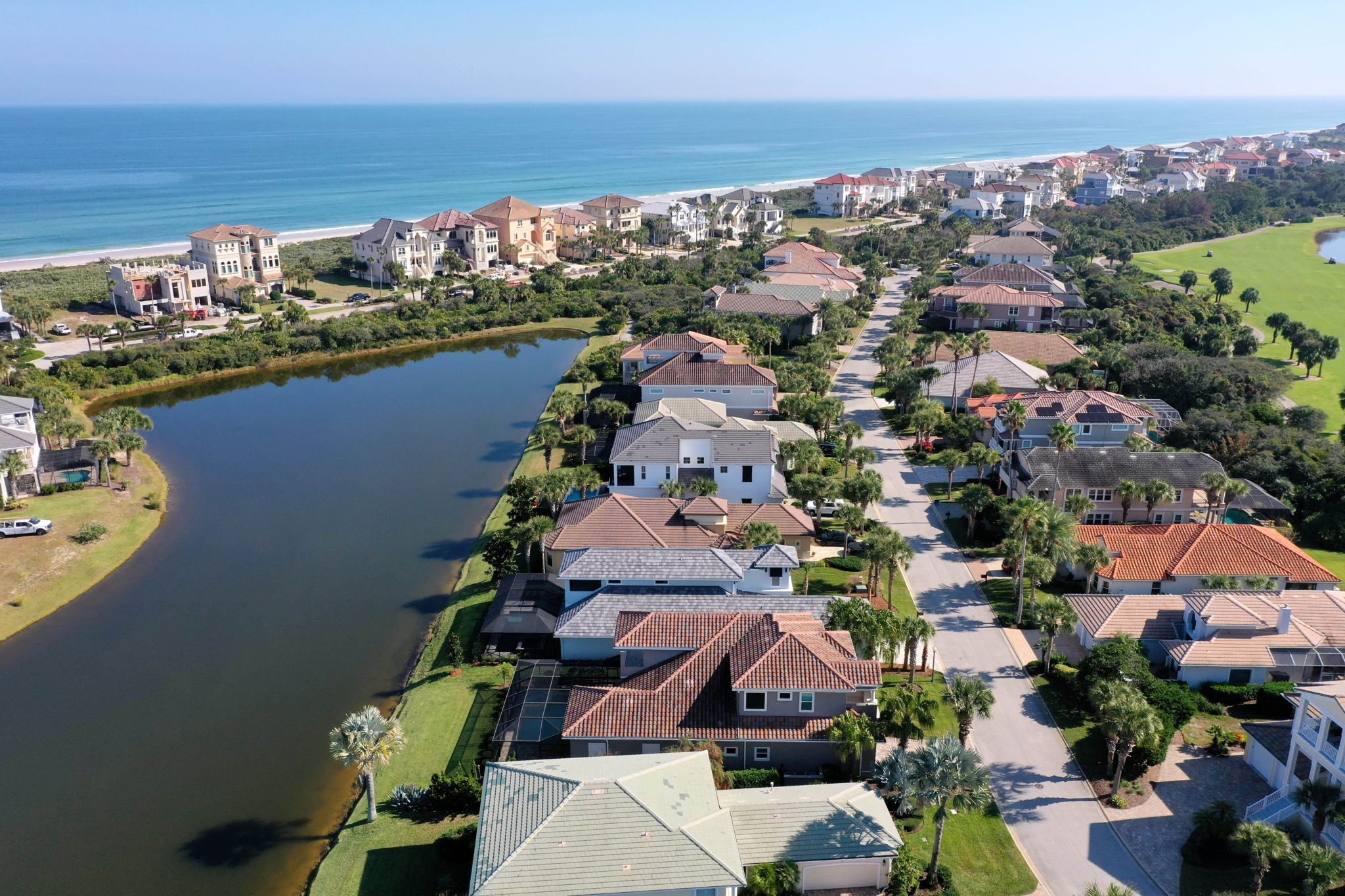
Many homes along the coast were built to minimum code requirements—or adapted from inland construction standards. Hurricane season quickly exposes these weaknesses.
Common failure points include:
Inadequate roof-to-wall connections
Older windows and doors not rated for impact resistance
Improper elevations relative to flood and surge zones
Homes designed with true coastal conditions in mind consistently outperform those that simply “meet code.”
While hurricanes bring extreme winds, much of the damage seen each season is avoidable.
Well-performing coastal homes typically include:
Continuous load paths from roof to foundation
Impact-rated windows or properly installed shutters
Reinforced roof systems designed for local wind loads
These features don’t just protect structures—they reduce repair downtime and insurance claims.
Flooding is often the most expensive and disruptive outcome of coastal storms.
Post-storm evaluations repeatedly show that homes built higher, with proper foundation systems, experience:
Less structural damage
Faster recovery times
Lower long-term repair costs
Designing above Base Flood Elevation—and accounting for future sea level rise—has become a smart investment decision, not just a regulatory requirement.
Salt air, moisture, and UV exposure accelerate wear long before storms arrive. Hurricane season simply reveals the damage.
High-performing coastal homes rely on:
Corrosion-resistant fasteners and hardware
Coastal-rated exterior cladding and roofing
Moisture-resistant building systems
These choices significantly reduce post-storm maintenance and extend the lifespan of the structure.
November is when proactive coastal property owners take action. Instead of waiting for the next hurricane season, they use this window to:
Assess vulnerabilities exposed by recent storms
Upgrade structural, material, and elevation features
Plan renovations or new builds with resilience in mind
This is when the strongest, most durable coastal homes are planned.
The homes that perform best season after season share one common factor: they were designed and built by professionals who understand coastal construction—not just general building practices.
Experience with North Florida’s wind patterns, flood zones, soil conditions, and permitting processes makes the difference between reactive repairs and long-term resilience.
Hurricane season provides clarity. The question is how you respond to it.
If you’re planning a new build, working with professionals who specialize in North Florida coastal construction can protect your investment—and your peace of mind.

Building on the ocean in North Florida—whether it’s a primary residence, vacation home, or commercial structure—comes...

When people think of Florida real estate, their minds often go to bustling metros like Miami,...